OEM Outdoor Gear Manufacturer: The Ultimate B2B Sourcing Guide to Heavy-Duty Waterproof Solutions
Navigating the complexities of sourcing reliable, high-performance waterproof gear requires more than just an assembly partner. It demands a sophisticated contract manufacturer capable of integrating advanced material engineering with high-volume production consistency. Sealock Outdoor Group delivers comprehensive B2B OEM and ODM solutions, serving global brands with uncompromising quality in flexible waterproof laminates, Radio Frequency (RF) welding, and rigorous QA validation protocols.
I. Core OEM Capabilities in Heavy-Duty Waterproofing
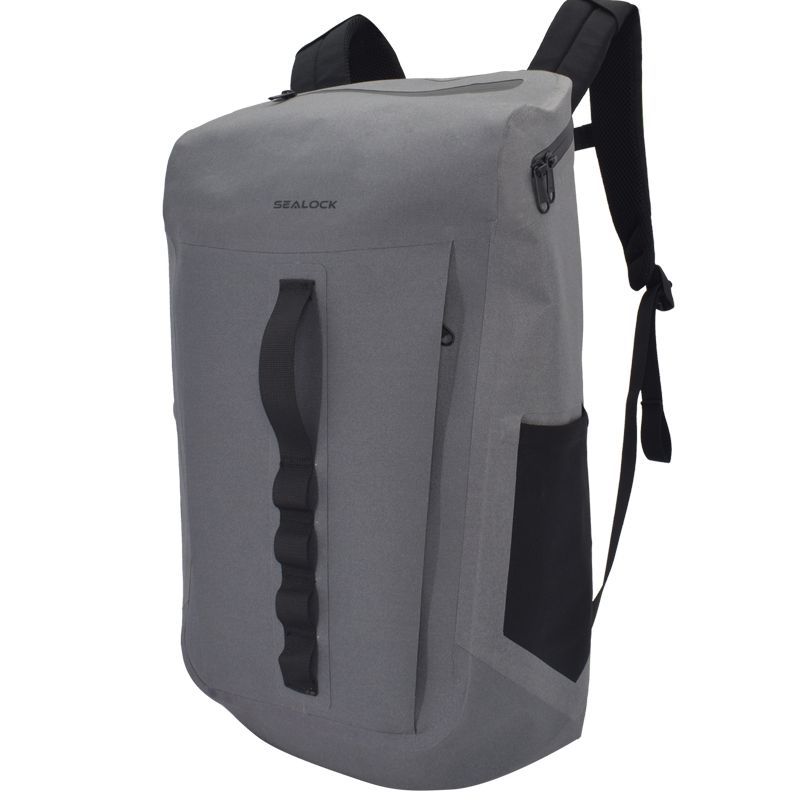
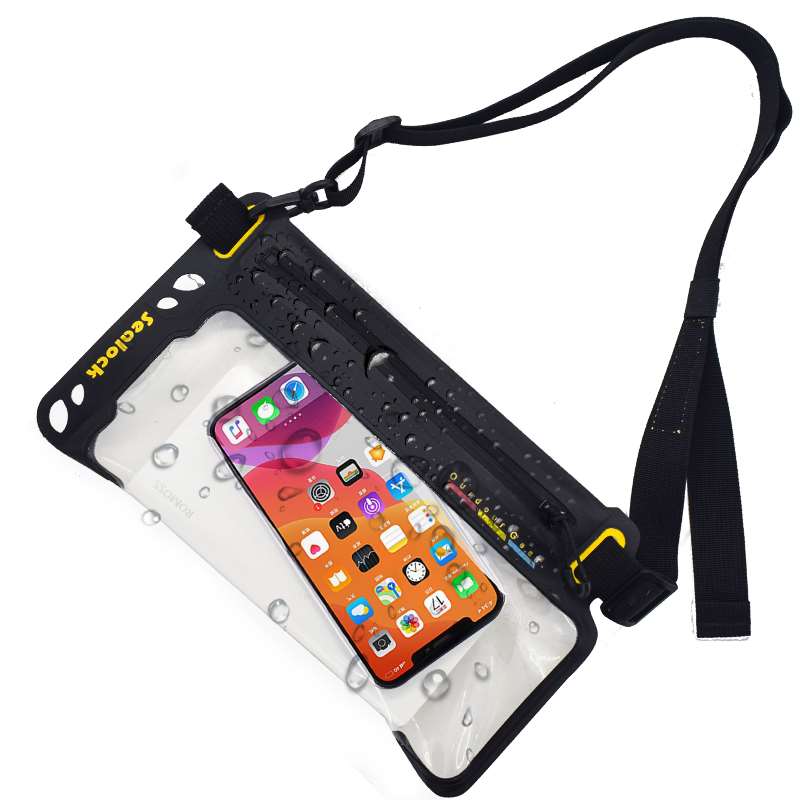
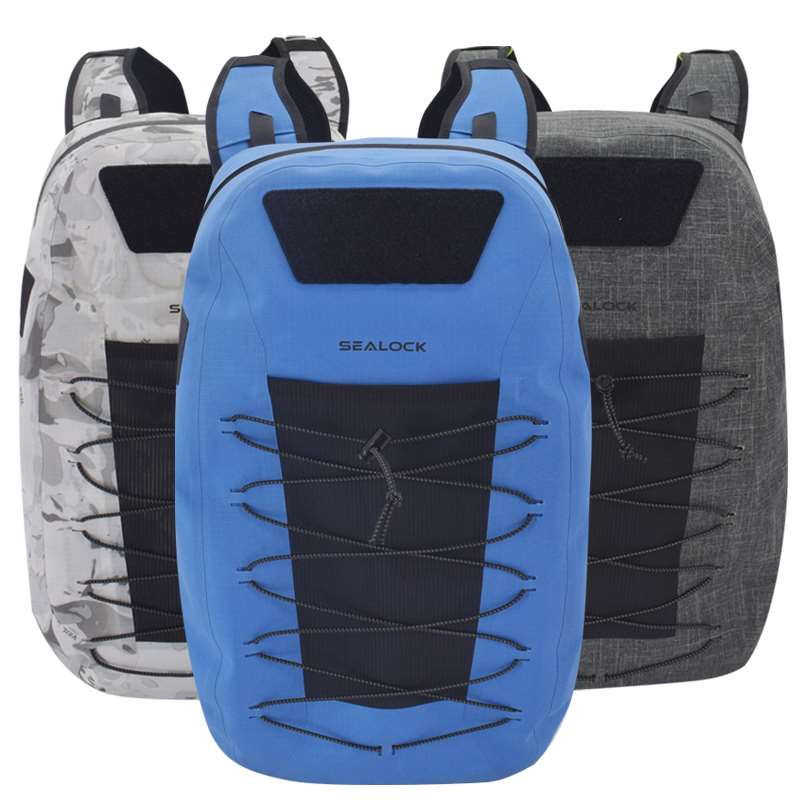
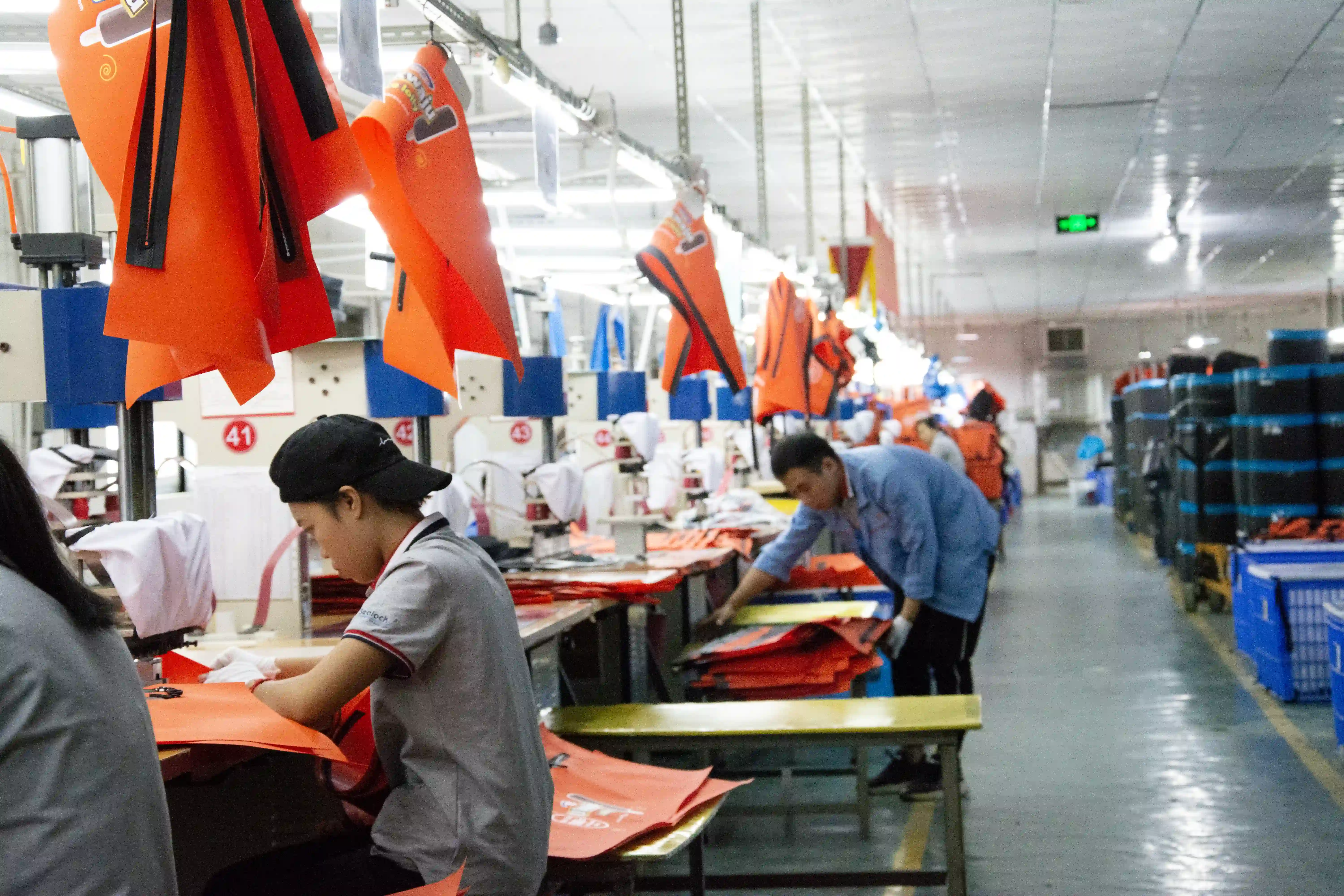
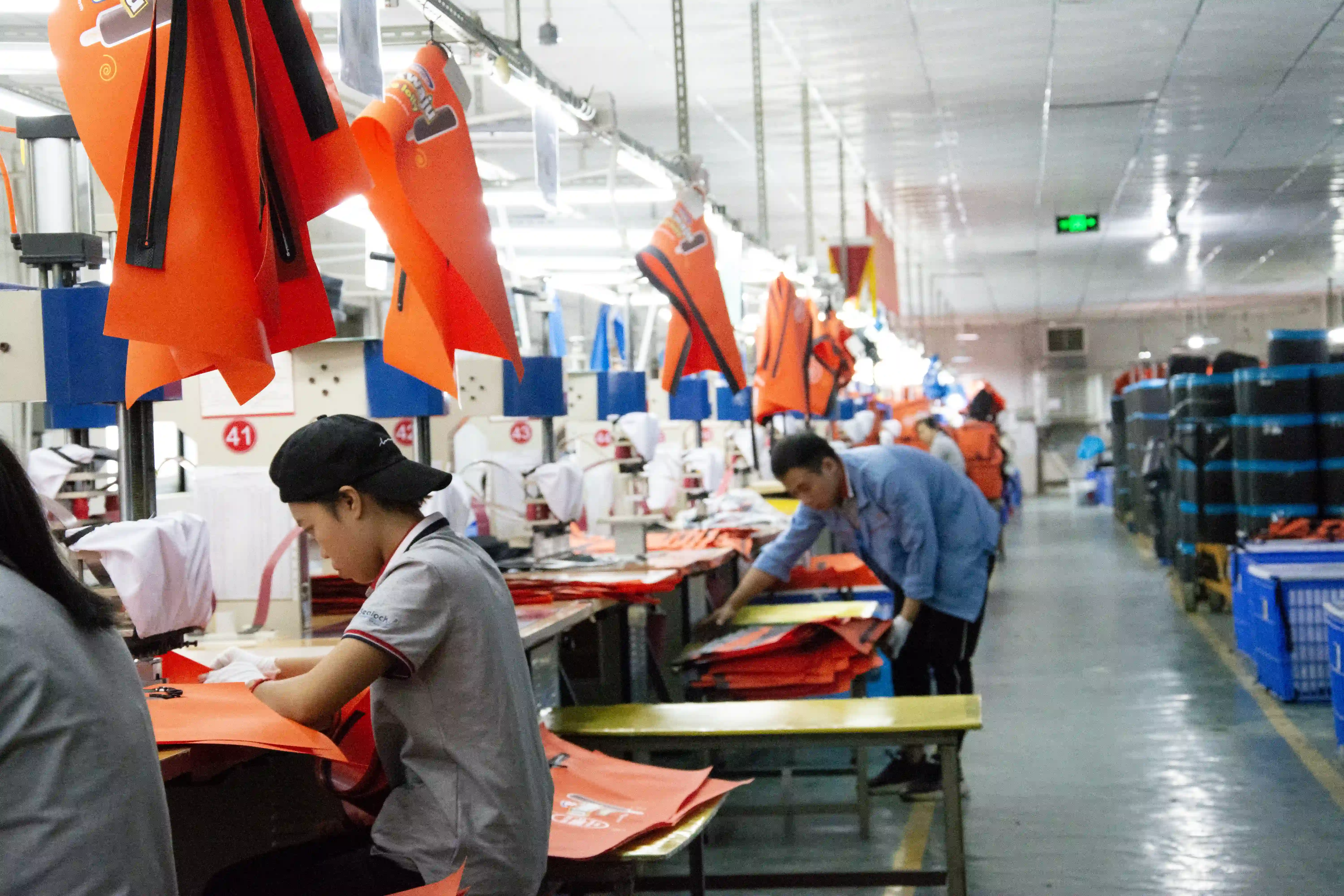
As a leading OEM outdoor gear manufacturer, Sealock's technical foundation is built on the mastery of non-stitched, flexible barrier technologies. Unlike apparel contract manufacturing, heavy-duty waterproof gear—such as submersible packs, tactical cases, and survival equipment—requires advanced manufacturing processes to ensure monolithic seal integrity.
Advanced Material Handling: TPU and Heavy-Duty Fabrics
Our material expertise centers on TPU (Thermoplastic Polyurethane) material guides, a critical substrate for industrial-grade waterproofing. We process heavy-duty base textiles, ranging from 420D nylon to 1000D ballistic fabrics, laminating them with proprietary TPU formulations to achieve specific resistance to abrasion, hydrolysis, and UV degradation. This material baseline ensures that the final finished product can withstand extreme environmental loading.
Technology Integration: RF Welding vs. Seam Sealing
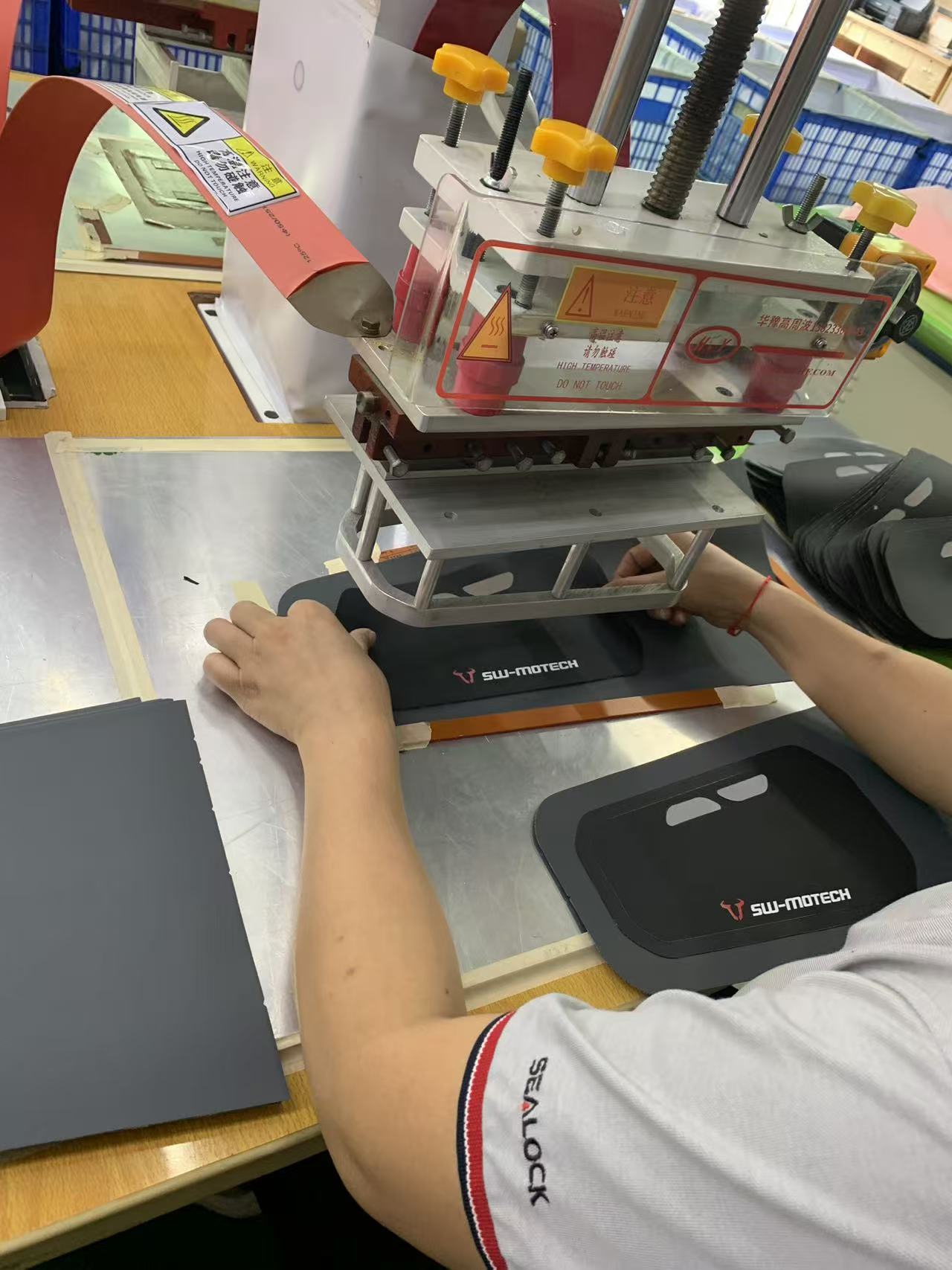
The core of true leakproof engineering lies in how the material layers are joined. During audits (like SCAN or ISO), sourcing directors must distinguish between basic hot-air seam sealing and our advanced RF welding manufacturer capabilities. Our high-precision programmable RF welding machines utilize high-frequency electromagnetic energy to fuse molecular layers together, creating a weld that is often stronger than the base material itself—a critical metric for the volume production of waterproof dry bags and submersible equipment.
II. Engineering Standards and Performance Metrics
Quality in the B2B outdoor market is defined by quantifiable data, not marketing fluff. We adhere to stringent international engineering standards to validate the structural integrity of our flexible waterproof goods.
|
Testing Metric
|
Standard / Protocol
|
B2B Application / Pain Point
|
|
Seam Peel Strength
|
ASTM D751 (Modified for Welds)
|
Ensures seam won’t delaminate under heavy static load or abrasion.
|
|
Hydrostatic Pressure (Water Column)
|
ISO 811 / EN 20811
|
Validates the material's resistance to water penetration over long durations.
|
|
Abrasion Resistance (Taber)
|
ASTM D3884
|
Predicts the product lifespan in rough, tactical or marine environments.
|
|
Airtight Seam Integrity (Pressure Drop)
|
1.0 Bar Test (Proprietary SAR standard)
|
Critical for submersible/tactical packs requiring zero airflow leakage.
|
Our engineering team works closely with brands during the ODM phase to define these parameters, ensuring that the finished product meets or exceeds field requirements without unnecessary Total Cost of Ownership (TCO) spikes. By opting for a specialized OEM bags manufacturing partner, brands mitigate the risk of field failure and protect their reputation.
III. Laboratory-Grade Quality Assurance (QA) and Testing Lab
Quality cannot be inspected into a product at the end of the line. A truly world-class OEM outdoor gear manufacturer operates a comprehensive in-house Testing Lab. At Sealock, we execute a multi-tiered QA matrix:
In-Line QA: Automated Parameter Monitoring
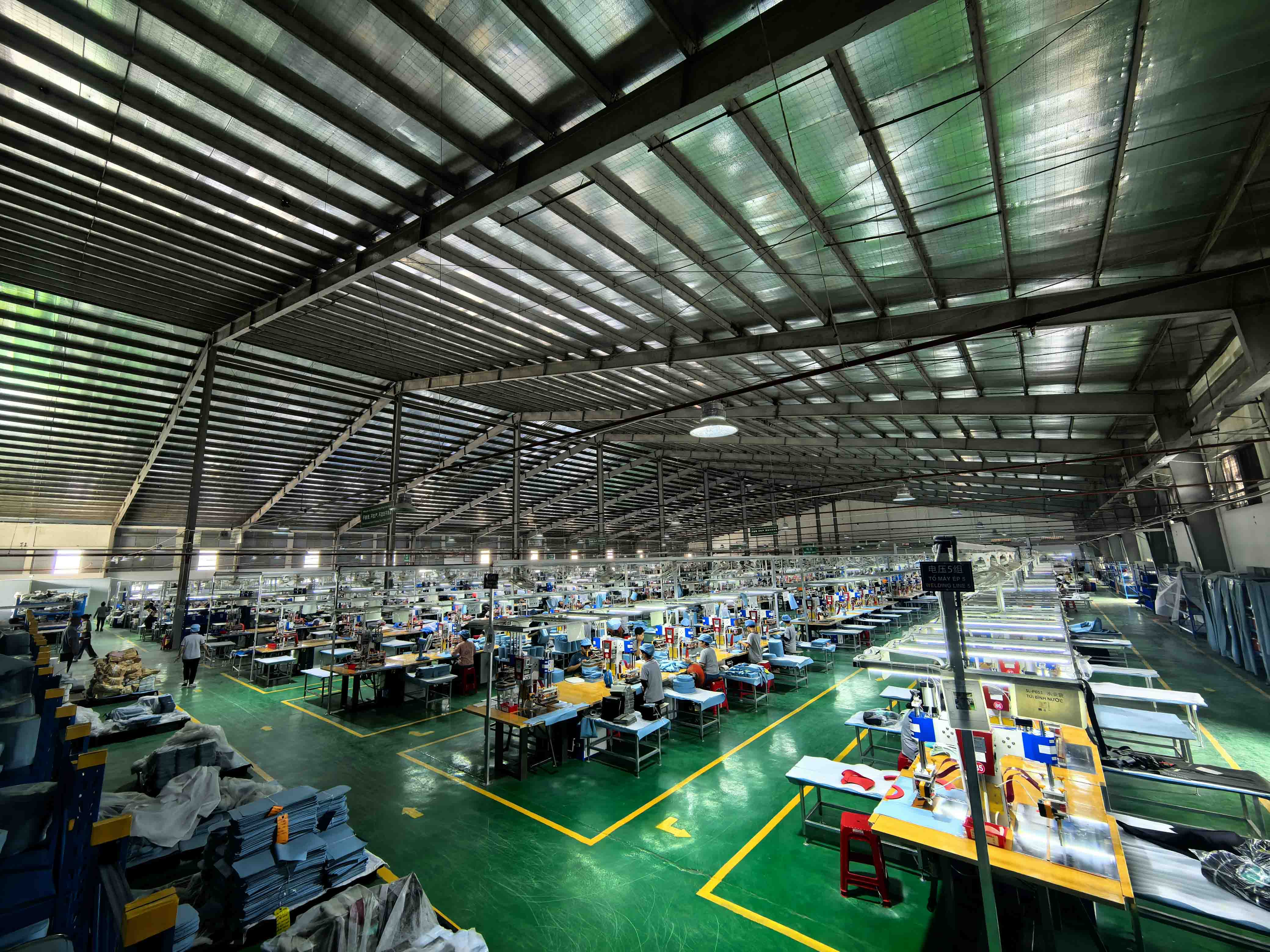
During the RF welding process, automated tension control and thermal imaging provide real-time feedback, identifying potential monolithic defects before they are finalized. This ensures consistency across high-volume production runs, a key challenge in manual flexible laminate assembly.
End-of-Line QA: Hydrostatic and 1.0 Bar Submersibility Testing
Every critical unit undergoes final validation. This includes basic hydrostatic head tests for splashproof goods and, for high-end gear, our proprietary 1.0 Bar hydrostatic pressure test. This rigid Sar-grade standard simulates deep-water submersibility and dynamic pressure changes, assuring zero-failure scenarios for mission-critical gear.
IV. The B2B OEM and ODM Process Flow
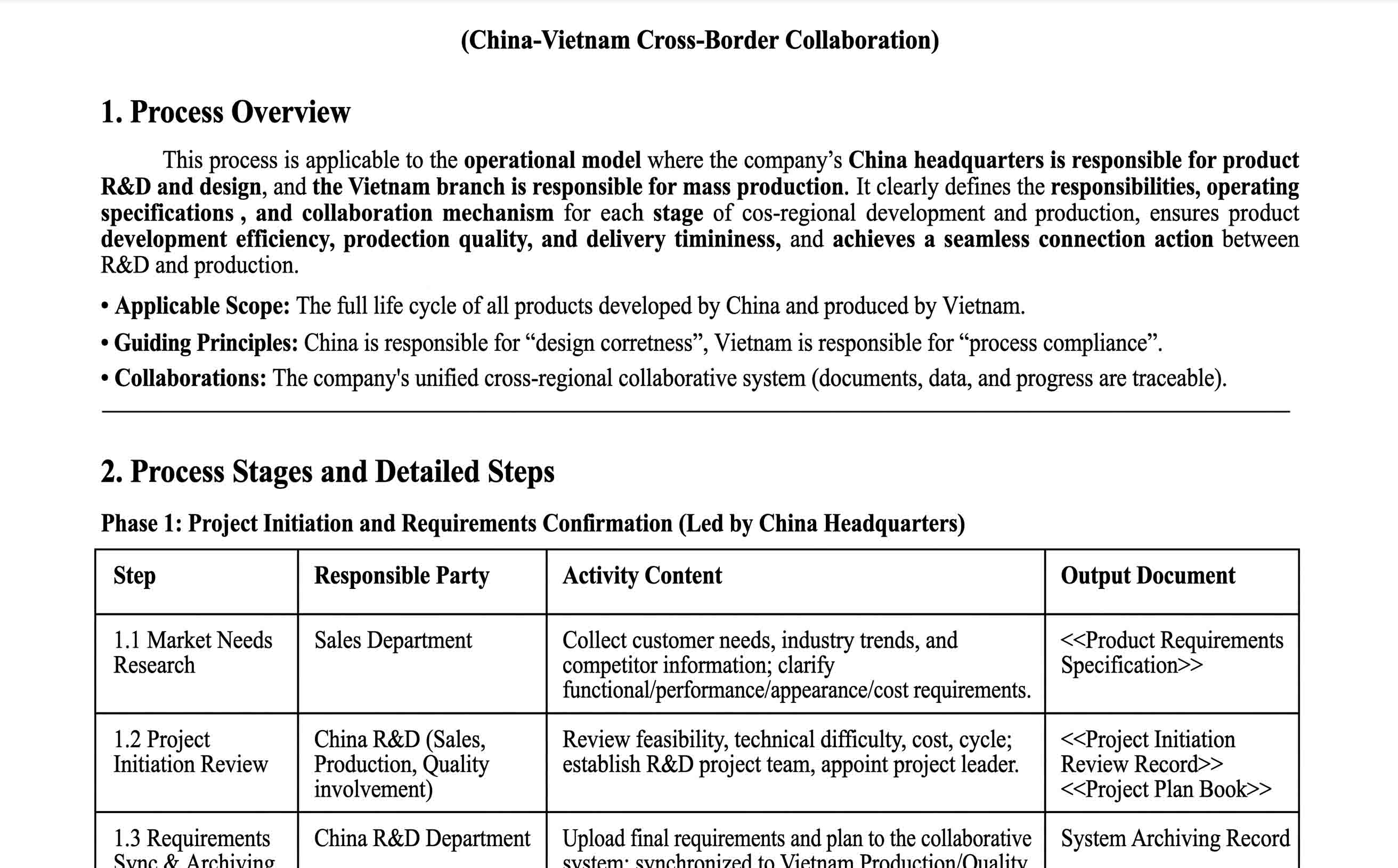
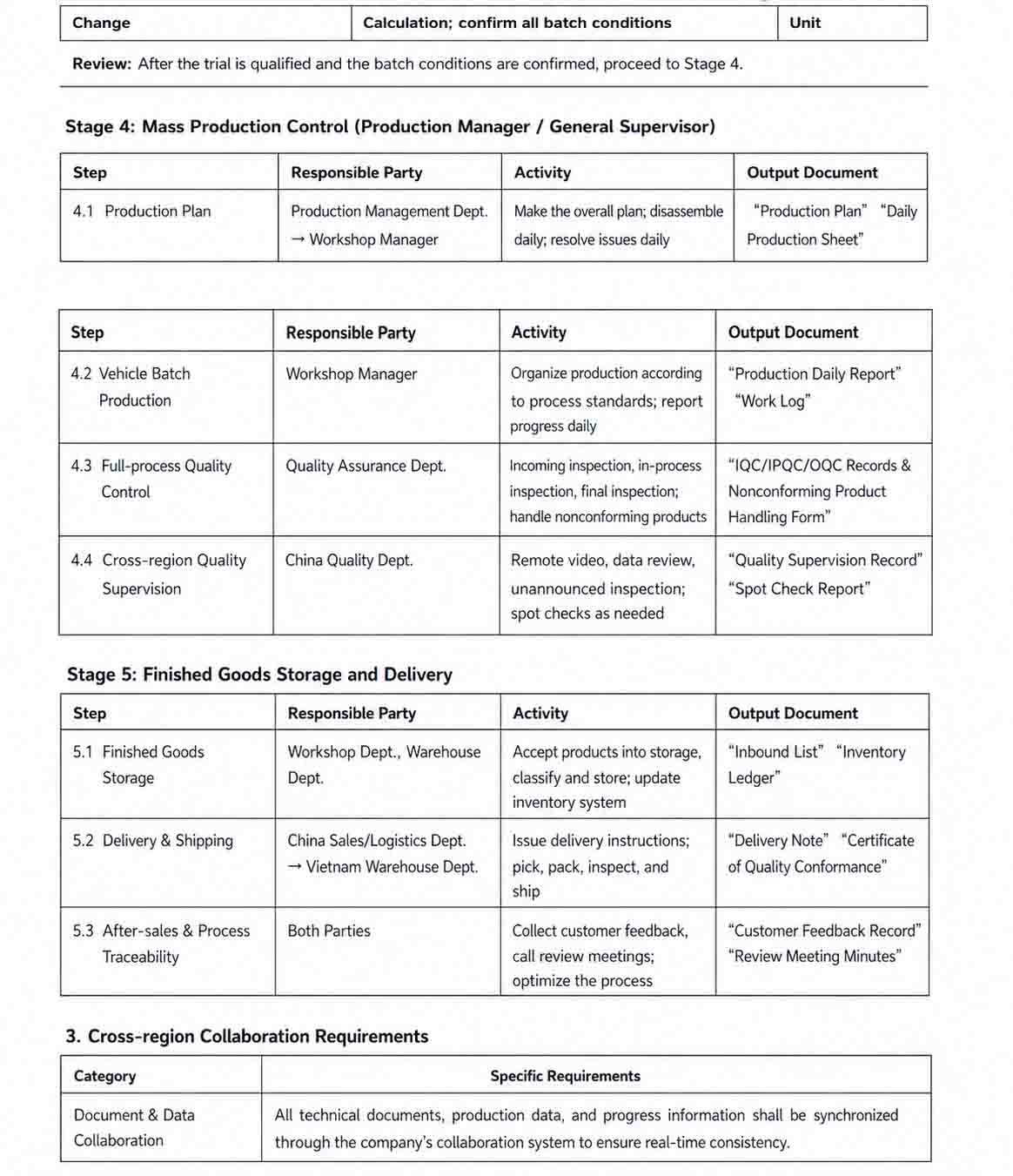
Sourcing large-scale contract manufacturing requires a structured workflow to ensure IP protection, lead-time accuracy, and quality consistency. Our standard OEM process is designed for transparency and efficiency.
-
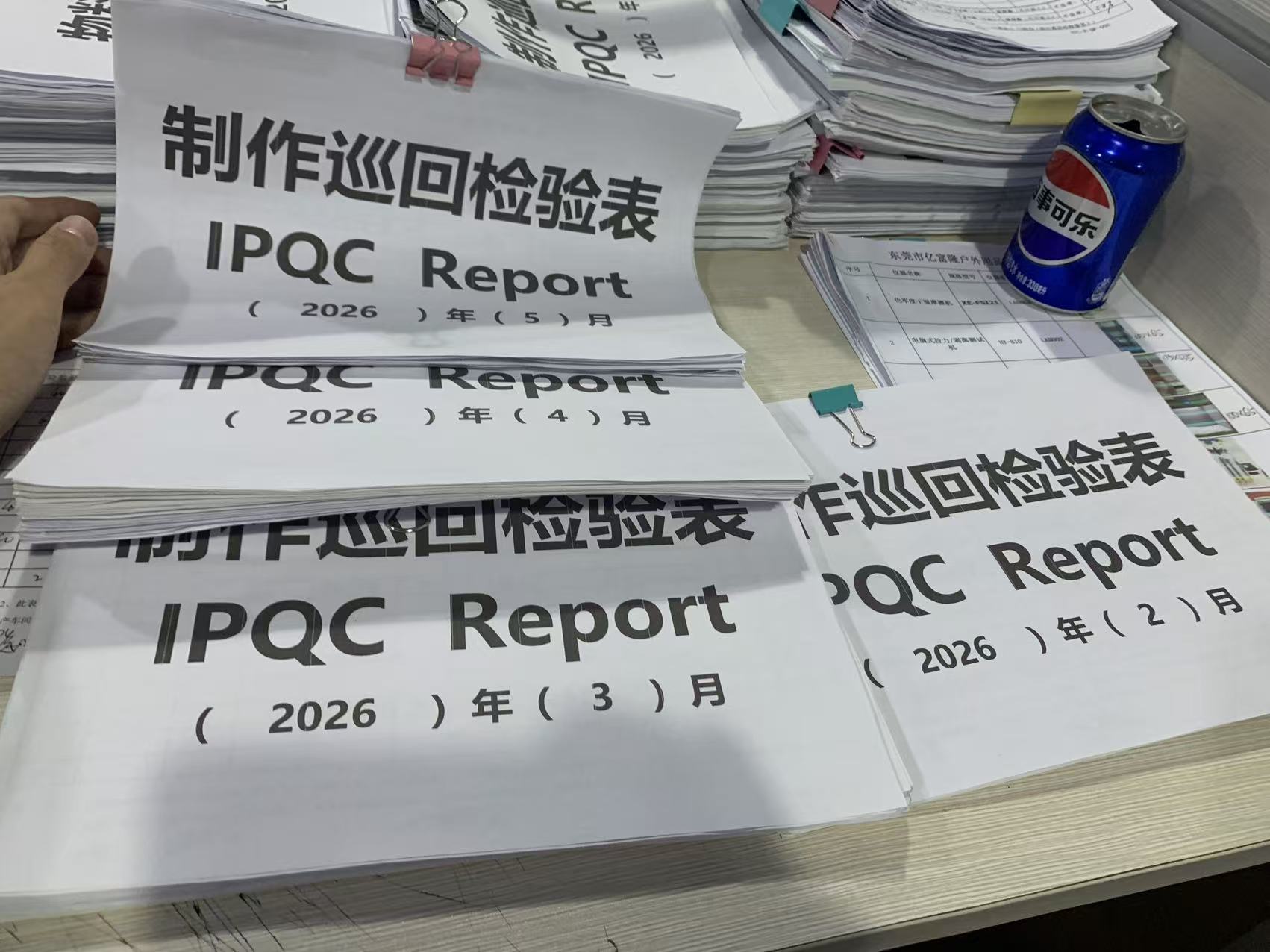
R&D and Prototyping (Dongguan HQ): Product concepts are translated into technical specifications. Our engineering hub creates initial prototypes, establishes the specific RF welding SOPs, and conducts destructive lab testing to validate the design.
-
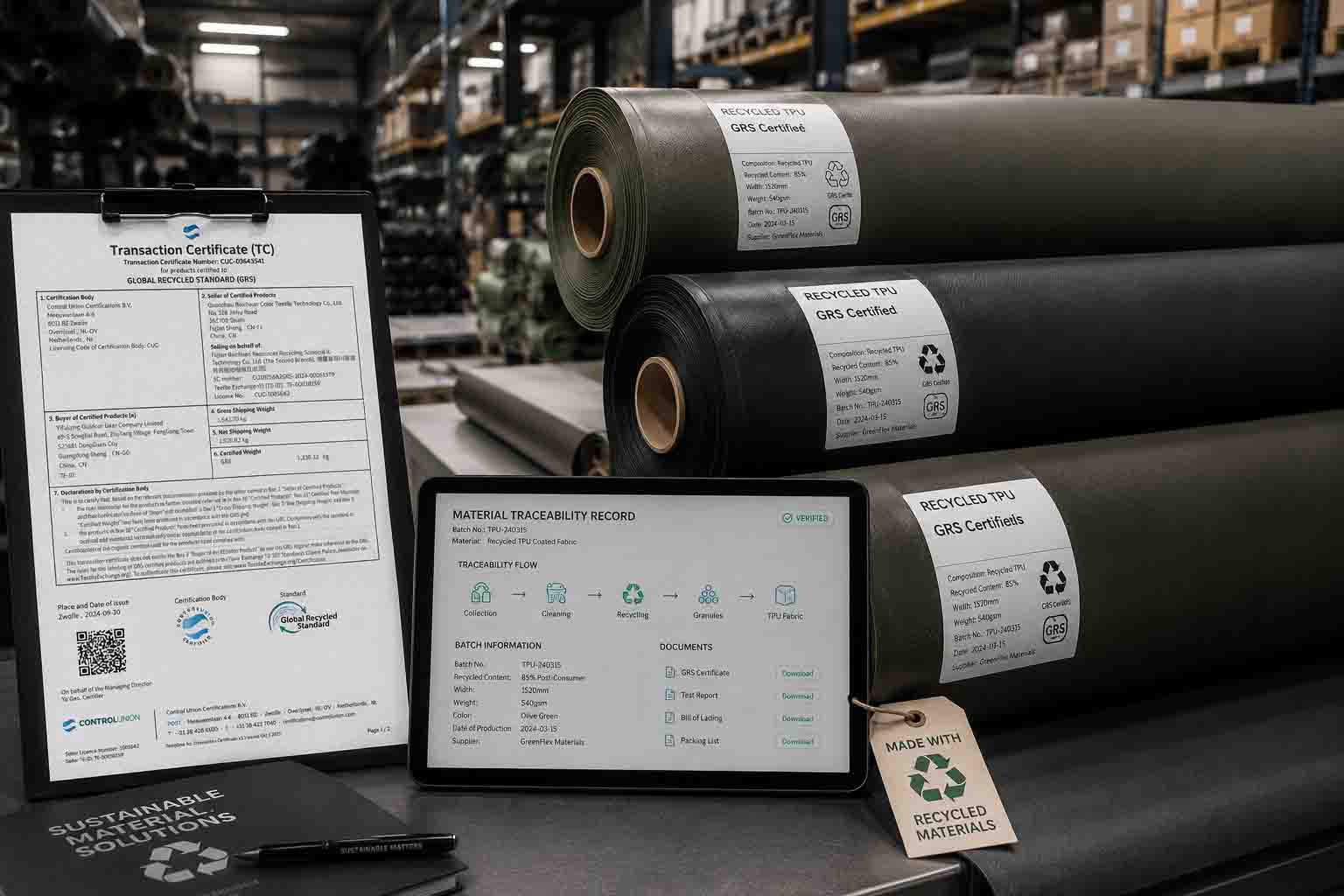
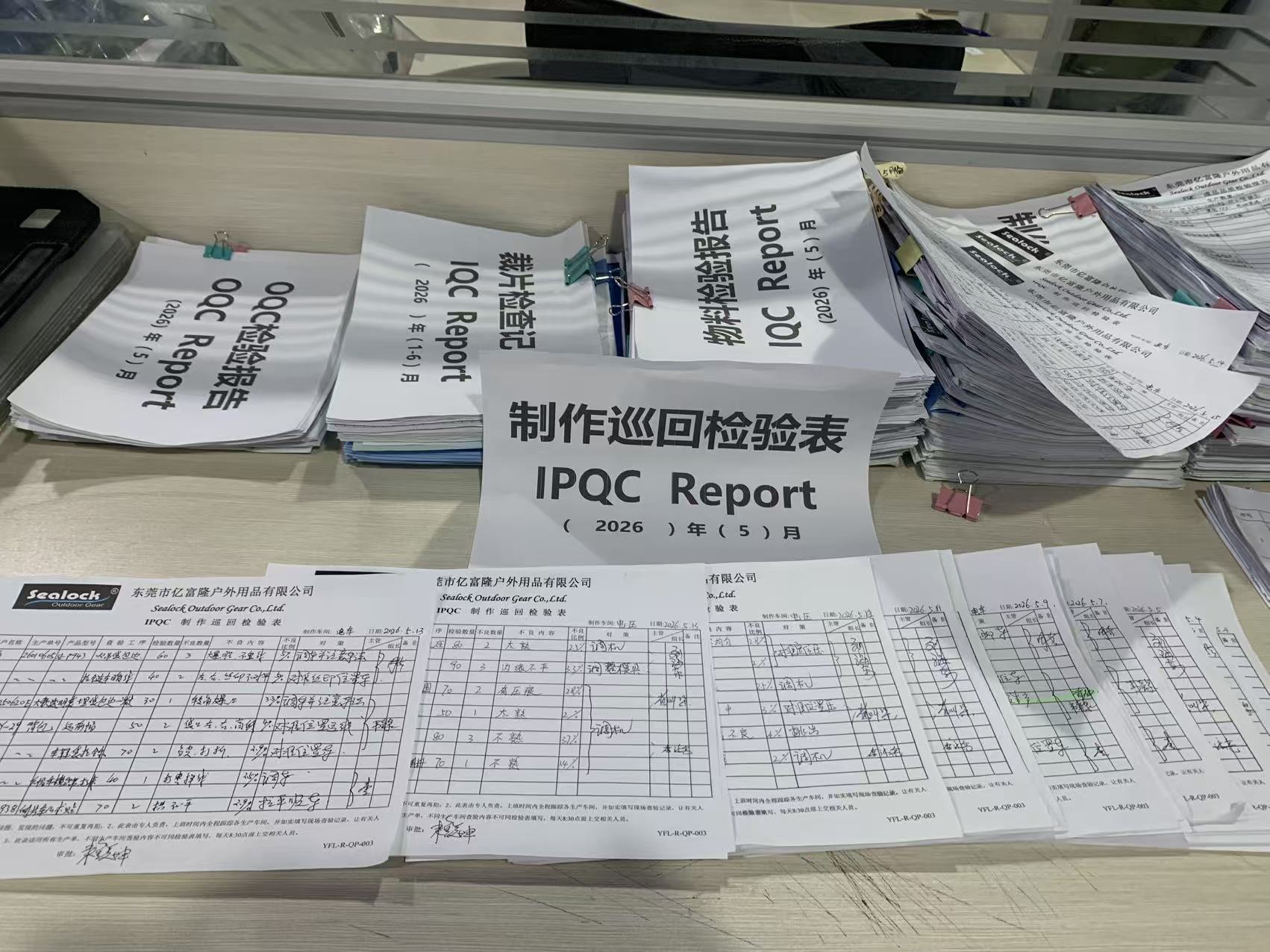
Compliance and Audit Verification: Before volume production, we pull digital QA logs and provide traceability for critical raw materials. Our facilities maintain strict SCAN (Supply Chain Security Audit) and ISO certification standards to ensure global compliance.
-
Material Lot Management: GRS (Global Recycled Standard) certifications are logged by batch, providing brands with auditable environmental compliance data.
-
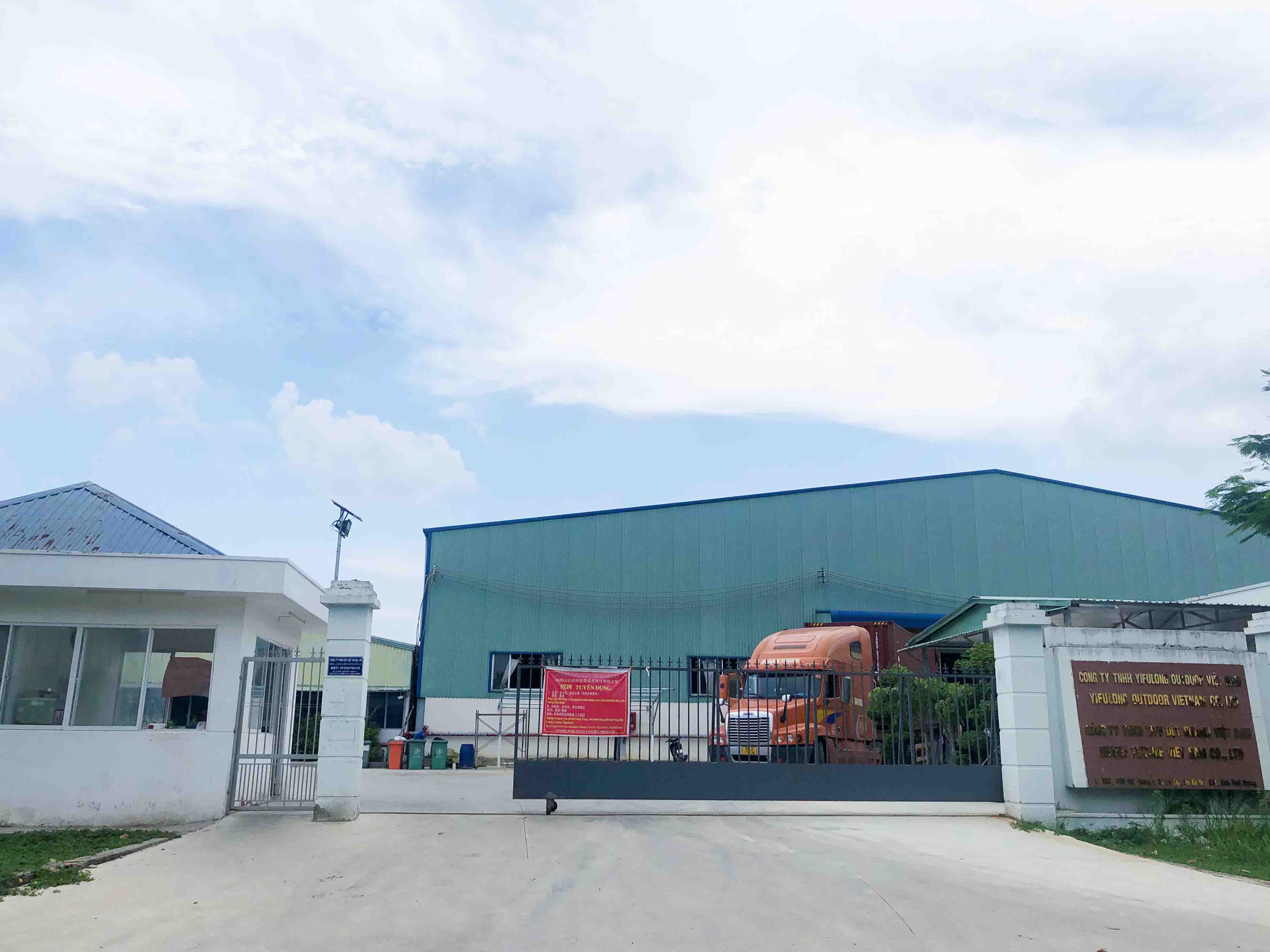
Vietnam High-Volume Mass Production (HCMC Facility): Once validated, the production parameters are seamlessly transferred to our Ho Chi Minh City Phase II facility, optimizing for tariff exemptions and large-scale output while maintaining the exact precision established during the Dongguan R&D phase.
V. Strategic Advantages of China-Vietnam Dual-Base Manufacturing
In today's geopolitical landscape, agile supply chains are paramount. Sealock Outdoor Group provides a strategic dual-base manufacturing engine, offering sourcing directors a unique risk mitigation framework.
By leveraging the established industrial ecosystem of China (R&D and advanced flexible fabric sourcing) and the duty-exempt, high-volume production capabilities of Vietnam, we provide global brands with cost-efficiency without compromising technical quality. We are not just a generic OEM/ODM bags partner; we are a specialized manufacturer of flexible waterproof goods that require precise engineering and high-end security compliance.
Frequently Asked Questions (FAQ) for B2B Sourcing Managers
1. What are your Minimum Order Quantities (MOQs) for custom waterproof gear?
MOQs vary by complexity and material availability but typically start at 500-1,000 units per color/style for customized RF welded goods. For standard product adaptations, MOQs may be lower. Our sourcing team provides custom quotes based on Total Cost of Ownership (TCO) optimization.
2. How do you protect brand IP during the OEM/ODM process?
Sealock executes robust Non-Disclosure Agreements (NDAs) before R&D phase begins. All technical data, tooling, and unique material formulations are kept on secure, digitally tracked systems. Furthermore, our dual-base structure allows for critical engineering parameters to be finalized in China before mass production in Vietnam, offering an additional layer of security.
3. Do your factories meet SCAN and ISO audit standards?
Yes. Our manufacturing facilities are fully SCAN (Supply Chain Security Audit) compliant and maintain ISO 9001 quality management systems. We are prepared for virtual or in-person audits from global brands to validate our compliance, security, and quality assurance protocols.
About Sealock Outdoor Group
Sealock Outdoor Group is a premier B2B OEM/ODM manufacturer specializing in advanced flexible material engineering and heavy-duty waterproof solutions. Operating a highly efficient dual-engine supply chain with facilities in Dongguan, China, and Ho Chi Minh City, Vietnam, we are committed to absolute compliance, strict SCAN/ISO audit standards, and zero-defect manufacturing. We serve leading global brands requiring uncompromising performance in flexible waterproof laminates, RF welding, and rigorous QA validation protocols.
For sourcing directors seeking reliable, risk-mitigated contract manufacturing, Sealock delivers unparalleled manufacturing authority in heavy-duty waterproof gear.
Contact our technical sourcing team today to schedule a virtual audit of our testing laboratories.
 English
  Español
  Português
  русский
  Français
  日本語
日本語  Deutsch
  tiếng Việt
  Italiano
  Nederlands
  ภาษาไทย
  Polski
  Svenska
  magyar
  Malay
Malay  বাংলা ভাষার
  Dansk
Dansk  Suomi
Suomi  हिन्दी
  Pilipino
  한국어
한국어  Türkçe
  Gaeilge
  العربية
  Indonesia
  Norsk
Norsk  تمل
تمل  český
český  ελληνικά
  український
  Javanese
  فارسی
فارسی  தமிழ்
தமிழ்  తెలుగు
  नेपाली
  Burmese
  български
  ລາວ
ລາວ  Latine
  Қазақша
  Euskal
  Azərbaycan
  Slovenský jazyk
  Македонски
  Lietuvos
  Eesti Keel
  Română
  Slovenski
  मराठी
मराठी  Srpski језик